
Services
Diabetes Management
Diabetes is a prevalent chronic health condition that affects millions of people worldwide. It requires careful management to ensure individuals with diabetes can lead healthy, fulfilling lives.
Understanding Diabetes
Diabetes is a metabolic disorder that affects how your body processes glucose, a form of sugar that serves as the primary source of energy. There are three main types of diabetes: Type 1, Type 2, and gestational diabetes. Each type has its unique characteristics and requires tailored management.
Importance of Diabetes Management
Proper diabetes management is crucial for preventing complications such as heart disease, kidney problems, nerve damage, and vision issues. It involves maintaining blood sugar levels within a healthy range, adopting a healthy lifestyle, and sometimes taking medications or insulin.
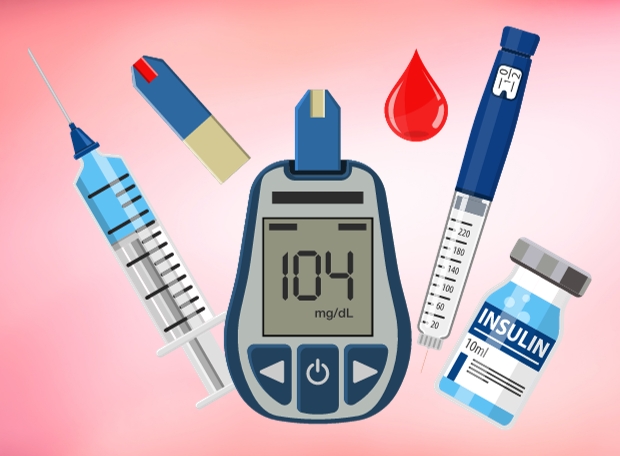

Dr. Anjula Sachan: A Diabetes Management Expert
Dr. Anjula Sachan is an accomplished diabetologist with years of experience in helping individuals manage their diabetes. She specializes in providing personalized care and treatment plans that cater to each patient’s unique needs.
Dr. Anjula understands that diabetes management is not a one-size-fits-all approach. She works closely with her patients to create individualized management plans that consider factors like age, lifestyle, and overall health. This personalized approach ensures that patients can effectively control their diabetes.
For some individuals, lifestyle changes may not be enough to manage diabetes. Dr. Sachan can prescribe medications or insulin therapy as necessary. She closely monitors the effects of these treatments to ensure their effectiveness and makes adjustments as needed.
Proper nutrition plays a vital role in diabetes management. Dr. Sachan educates her patients about the right foods to eat, portion control, and meal timing. This knowledge empowers individuals to make informed choices that positively impact their blood sugar levels.
Consistent monitoring of blood sugar levels is essential. Dr. Sachan teaches her patients how to monitor their glucose levels at home and interpret the results. This proactive approach allows for timely adjustments to the management plan.
Children and teenagers with diabetes require special care. Dr. Sachan has extensive experience in pediatric diabetes management, ensuring that young patients receive the support and guidance they need to lead healthy lives.
Managing diabetes can be emotionally challenging. Dr. Sachan not only focuses on the physical aspects but also provides emotional support to help her patients cope with the stress and anxiety associated with diabetes.
Diabetes Prevention
In today’s fast-paced world, diabetes has become a growing concern. Preventing and managing this condition is crucial for a healthy life.
Risk Factors for Diabetes
Several risk factors can increase your chances of developing diabetes, including genetics, obesity, sedentary lifestyles, and poor dietary choices.
Importance of Diabetes Prevention
Preventing diabetes is not only about avoiding a diagnosis but also about improving your overall health. It reduces the risk of developing complications and enhances your quality of life. Dr. Anjula Sachan, a specialist in diabetes prevention, emphasizes the significance of early intervention.


Dr. Anjula Sachan: A Diabetes Prevention Expert
Dr. Anjula Sachan is a renowned medical professional dedicated to helping individuals prevent diabetes. With years of experience in the field, she has successfully guided countless patients on their diabetes prevention journey.
Dr. Sachan provides personalized care plans tailored to your unique needs and goals, ensuring a higher chance of success in diabetes prevention.
She advocates for a balanced lifestyle, encompassing a nutritious diet, regular exercise, and stress management. These are key components in preventing diabetes.
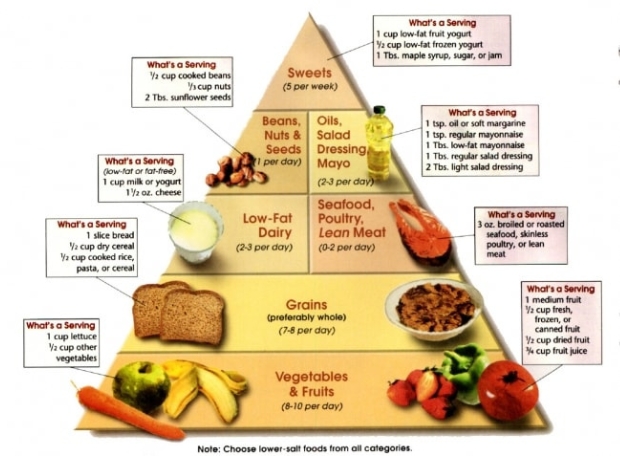
Dr. Sachan stresses the importance of a well-balanced diet that includes whole grains, lean proteins, fruits, and vegetables. This can help regulate blood sugar levels and maintain a healthy weight.
Physical activity is a crucial aspect of diabetes prevention. Dr. Sachan encourages individuals to incorporate regular exercise into their daily routine to improve insulin sensitivity.
Stress can contribute to the development of diabetes. Dr. Sachan guides her patients in effective stress management techniques to reduce this risk.
Regular monitoring of your health is vital for diabetes prevention. Dr. Sachan recommends periodic check-ups to catch any early signs of diabetes.
Diabetic Foot Care
Living with diabetes brings its own set of challenges, and one often overlooked aspect is diabetic foot care. Diabetic foot problems can be both perplexing and bursty, requiring specialized attention.
Understanding Diabetic Foot Problems
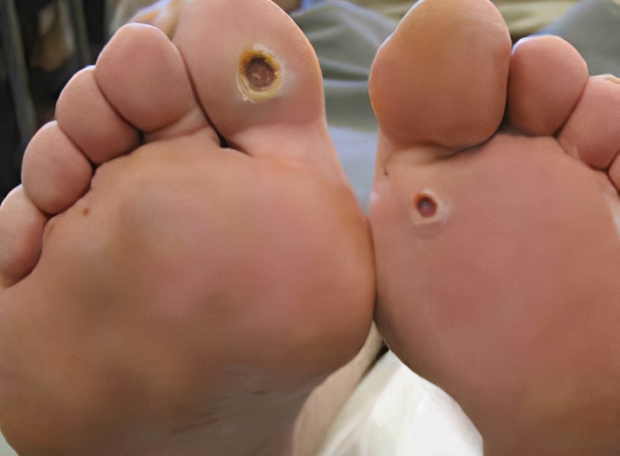
Diabetic foot problems often stem from two key issues: neuropathy, which leads to numbness and potential injuries, and poor circulation, which heightens infection risk. Foot ulcers, open sores prone to infection, highlight the importance of vigilant foot care to prevent serious complications.
Importance of Diabetic Foot Care
Diabetic foot problems are a common complication of diabetes and can have serious consequences if not addressed promptly. People with diabetes are at risk of developing neuropathy, poor circulation, and foot ulcers, which can ultimately lead to amputations. Effective diabetic foot care is essential to prevent such issues.

Dr. Anjula Sachan: A Diabetic Foot Care Expert
Dr. Anjula Sachan is a renowned diabetologist known for her expertise in managing diabetic patients. Her commitment to patient well-being and knowledge in diabetic foot care sets her apart.
She offers a range of services, including personalized diabetes management plans for effective blood sugar control. She specializes in diabetic foot care, offering treatment and preventive measures, and places a strong emphasis on patient education to underscore the significance of diabetic foot care.
Dr. Anjula’s expertise in diabetes management focuses on early detection and prevention of diabetic foot problems, a serious complication of diabetes that can lead to amputations. She closely monitors her patients for early signs of these issues, using her extensive knowledge and experience to identify risk factors and warning signs well before they become severe. By catching these problems early, she can take proactive measures to prevent their progression. This approach not only enhances the patient’s quality of life but also lowers healthcare costs associated with advanced diabetic complications.
Her guidance helps patients manage their diabetes effectively, reducing the risk of complications. Managing diabetes can be a complex and ongoing process, requiring careful attention to various factors such as blood sugar levels, medication, diet, and lifestyle choices. Dr. Anjula’s expertise allows her to offer patients guidance that goes beyond basic medical treatment. She helps patients navigate the intricacies of their condition, providing valuable insights into their unique diabetic needs. Her guidance includes developing personalized diabetes management plans, adjusting treatment regimens as necessary, and making lifestyle recommendations. By following her expert guidance, patients can gain better control over their diabetes, which, in turn, reduces the risk of developing complications such as heart disease, kidney problems, and vision issues. Her guidance is tailored to each individual, ensuring that the approach aligns with their specific needs and goals.
Each patient receives a customized care plan, enhancing the quality of treatment. Dr. Anjula Sachan understands that every patient’s experience with diabetes is unique. What works for one individual may not be suitable for another. Her personalized approach takes into account a patient’s medical history, lifestyle, preferences, and the specific challenges they face in managing their diabetes. She tailors a care plan that suits each patient’s needs, ensuring that the treatment is as effective and comfortable as possible. This approach enhances the overall quality of care, as patients are more likely to adhere to a treatment plan that is designed specifically for them. By considering the individuality of each patient, Dr. Sachan maximizes the chances of successful diabetes management, better blood sugar control, and an improved overall quality of life.
Dr. Anjula Sachan provides comprehensive diabetes management education to patients, empowering them to make informed choices about their lifestyle, diet, and exercise. This approach not only treats symptoms but also addresses root causes, promotes proactive management, and reduces medication reliance, leading to improved long-term health outcomes.
Dr. Anjula Sachan prioritizes effective communication with her patients for quality care, particularly in managing diabetes. Her responsive approach prevents complications and addresses issues early, fostering a strong doctor-patient relationship based on trust and mutual understanding, crucial for successful diabetes management.
Diet Consultation
Diet plays a crucial role in managing diabetes. Proper nutrition can help stabilize blood sugar levels and reduce the risk of complications associated with diabetes.
Understanding Diet Consultation
Diet consultation in diabetes involves personalized recommendations, carbohydrate management, balanced meals, portion control, monitoring blood sugar levels, coordinating diet with medication, optimizing meal timing, reading food labels, incorporating healthy fats and lean protein, staying hydrated, receiving individualized support, setting long-term health goals, and maintaining regular follow-up appointments with a dietitian.
Importance of Diet Consultation
Diet consultation is crucial for diabetes management as it helps control blood sugar levels, prevents short-term and long-term health complications, and ensures proper coordination of diet and medication. It supports weight management, educates individuals about the disease’s impact, and allows for regular monitoring and adjustments to the management plan.

Dr. Anjula Sachan: A Diabetes Diet Consultant
Dr. Anjula Sachan specializes in diabetes management. She can create personalized diet plans based on your specific needs and preferences.
With a deep understanding of the intricate relationship between food and diabetes, Dr. Anjula is well-equipped to guide patients in making the right dietary choices.
She will assess your specific diabetes type, medications, activity level, and overall health to create a tailored meal plan that meets your unique needs. She can provide specific guidance on the amount of carbohydrates, proteins, and fats you should consume.
Dr. Anjula can help you understand how to count carbohydrates and adjust your insulin or other medications accordingly. She may recommend specific types of carbohydrates and portion sizes to manage your blood sugar effectively.
She advise you on how often to monitor your blood sugar levels and how to interpret the results. This information will help you and your healthcare team make necessary adjustments to your diet and medications.
If you’re on diabetes medications, she will coordinate your meal plan with your medication schedule to prevent low or high blood sugar episodes. Dr. Anjula also discuss potential interactions between food and medications.
Along with diet, Dr. Anjula offer guidance on the type, duration, and intensity of physical activity that’s suitable for your condition. Regular exercise can have a significant impact on blood sugar control.
Discuss the timing of your meals and snacks. Some people with diabetes benefit from frequent, smaller meals, while others may prefer a more traditional three-meal-a-day approach.
If you have other medical conditions or dietary restrictions, such as food allergies or intolerances, she help you adapt your meal plan accordingly.
Weight Loss In Diabetes
Managing diabetes effectively is crucial for a healthier and happier life. One key aspect of this management is weight loss.
Connection Between Diabetes and Weight
Obesity is a significant risk factor for diabetes. Losing weight can reduce this risk and help manage the condition effectively. Excess weight can lead to insulin resistance, making it harder for the body to use insulin effectively, thus worsening diabetes.
Benefits of Weight Loss
Weight loss can help improve blood sugar levels, reducing the need for medication. Losing weight lowers the risk of diabetes-related complications such as kidney disease and vision problems. Weight loss contributes to an overall better quality of life, increasing energy levels and reducing the impact of diabetes on daily activities.


Dr. Anjula Sachan: A Diabetic Weight Loss Expert
Dr. Anjula Sachan, as a diabetologist, plays a crucial role in helping individuals with diabetes achieve weight loss in several ways.
She is a valuable ally in the journey toward weight loss in diabetes. Her expertise, personalized treatment plans, and ongoing support help individuals with diabetes manage their condition effectively while achieving their weight loss goals in a safe and sustainable manner.
Dr. Sachan creates personalized treatment plans for her patients, taking into account their specific medical history, type of diabetes, and weight loss goals. These tailored plans ensure that the approach to weight loss is safe and effective for each individual.
For some individuals with diabetes, medications may be necessary to manage blood sugar levels. Dr. Sachan carefully selects and monitors these medications, making adjustments as needed to aid in weight loss without compromising health.
Diet is a fundamental aspect of both diabetes management and weight loss. Dr. Sachan provides guidance on a suitable diet, emphasizing the importance of balanced meals, portion control, and calorie intake. She may also recommend specific dietary plans, such as the Mediterranean diet or low-carb diets, depending on the patient’s needs.
Physical activity is a vital component of weight loss. Dr. Sachan advises on suitable exercise routines that consider an individual’s fitness level and any physical limitations. She encourages patients to incorporate regular physical activity into their daily lives to aid in weight loss and improve overall health.
Regular check-ups with Dr. Sachan are essential for tracking both diabetes management and weight loss progress. She evaluates factors like blood sugar levels, weight, and overall health, making necessary adjustments to the treatment plan.
Achieving weight loss in diabetes can be challenging, and Dr. Sachan provides motivation and emotional support to her patients. She helps them stay committed to their weight loss goals, celebrating achievements along the way.
Continuous Glucose Monitoring
Continuous Glucose Monitoring (CGM) is a valuable tool for individuals with diabetes to manage their blood glucose levels effectively.
How Continuous Glucose Monitoring (CGM) Works?
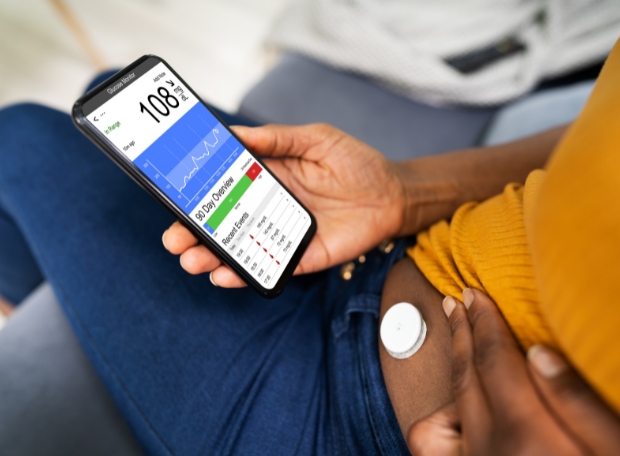
It involves the use of a small sensor that is inserted under the skin, typically on the abdomen or arm. This sensor measures glucose levels in the interstitial fluid, which is a close reflection of blood glucose levels, and sends the data to a monitoring device.
A healthcare provider or the individual themselves inserts a tiny sensor just under the skin. This sensor has a small filament that measures glucose levels in the interstitial fluid.
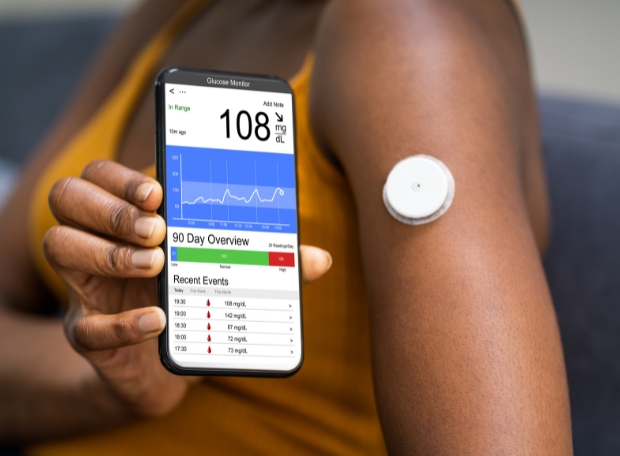
The sensor continuously measures glucose levels and sends this data to a separate receiver or a smartphone app via wireless technology (e.g., Bluetooth).
The data is displayed on a monitor or smartphone app in real-time. This allows the individual to see their current glucose level, trends, and changes throughout the day.
CGM systems can be programmed to provide alerts and alarms for both high and low glucose levels. This early warning system can help individuals take corrective action before glucose levels become dangerous.
CGM systems store historical data, which can be reviewed by healthcare providers and individuals to identify patterns, make treatment adjustments, and optimize glucose control.
While CGM is not a complete replacement for fingerstick blood glucose testing, it significantly reduces the need for frequent fingersticks, making it more convenient and less painful for many users.
Continuous Glucose Monitoring (CGM) Benefits
It’s important to note that CGM is most commonly used by people with type 1 diabetes and some with type 2 diabetes who require intensive insulin therapy. It’s an essential tool for those aiming to achieve tight glucose control, but it’s always used in conjunction with other diabetes management techniques, including insulin therapy, diet, and exercise.
Real-time data helps individuals make timely adjustments to their insulin doses, diet, and exercise, leading to better glucose control.
Alerts for low and high glucose levels help prevent dangerous episodes.
CGM provides a comprehensive view of how glucose levels change throughout the day, including post-meal spikes and nighttime fluctuations.
The reduced need for frequent fingerstick and the convenience of continuous monitoring can improve the quality of life for people with diabetes.
Insulin Pump
An insulin pump is a medical device used to manage diabetes, specifically type 1 diabetes and sometimes type 2 diabetes.
How An Insulin Pump Typically Works?
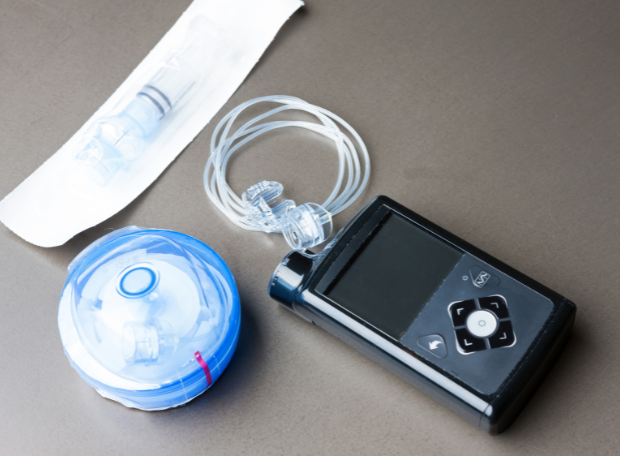
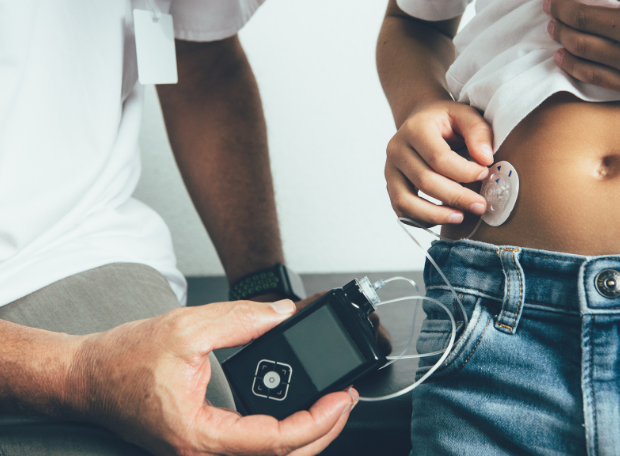
It is a small, portable device that delivers a continuous supply of insulin to the person’s body. Insulin is a hormone that regulates blood sugar (glucose) levels, and people with diabetes often require insulin therapy to maintain their blood sugar within a healthy range.
The pump provides a steady, low dose of insulin continuously throughout the day and night. This is known as basal insulin, and it mimics the body’s natural background insulin production.
When a person with diabetes eats a meal or needs to correct a high blood sugar level, they can use the pump to deliver a larger, immediate dose of insulin. This is called a bolus dose.
Insulin pumps are programmable, allowing users to set different basal rates for different times of the day and customize bolus doses as per their meal or correction needs.
Many modern insulin pumps can be controlled remotely through a device or smartphone app, making it convenient to make adjustments.
Some insulin pumps can integrate with a continuous glucose monitor to provide real-time blood sugar data and help the user make informed decisions about insulin delivery.
Insulin Pump Benefits
Insulin pumps offer several advantages over traditional insulin injections, such as better blood sugar control, more flexibility in meal planning, and reduced risk of severe hypoglycemia (low blood sugar). However, they also come with their own set of challenges, including the need for consistent monitoring, maintenance, and the potential for technical issues.
It’s important for people considering an insulin pump to work closely with their healthcare team to determine if it’s the right option for their diabetes management. Proper training and education are essential to using an insulin pump effectively and safely.
Vaccination In Diabetes
Vaccination is a critical aspect of diabetes care, as it can help reduce the risk of infections that could lead to complications in managing diabetes.
Vaccination in Diabetes – Guided by Dr. Anjula Sachan
Vaccination is crucial for individuals with diabetes, as they may have a higher risk of complications from certain infections. Diabetes can weaken the immune system and make it more challenging for the body to fight off infections.
Here are some key vaccinations that are recommended for people with diabetes:
People with diabetes are more susceptible to the flu and its complications. Getting an annual flu vaccine is highly recommended to reduce the risk of infection and potential diabetes-related complications.
Pneumonia is a significant concern for individuals with diabetes. The pneumococcal vaccines, Pneumovax 23 and Prevnar 13, can help protect against pneumonia, a potentially severe respiratory infection.
Hepatitis B can cause liver damage, and individuals with diabetes may be at higher risk for this infection. The hepatitis B vaccine is recommended, especially for healthcare workers and those at risk due to their occupation or lifestyle.
The Tdap vaccine, which protects against tetanus, diphtheria, and pertussis (whooping cough), is generally recommended every 10 years. Maintaining up-to-date vaccinations can help prevent these potentially serious diseases.